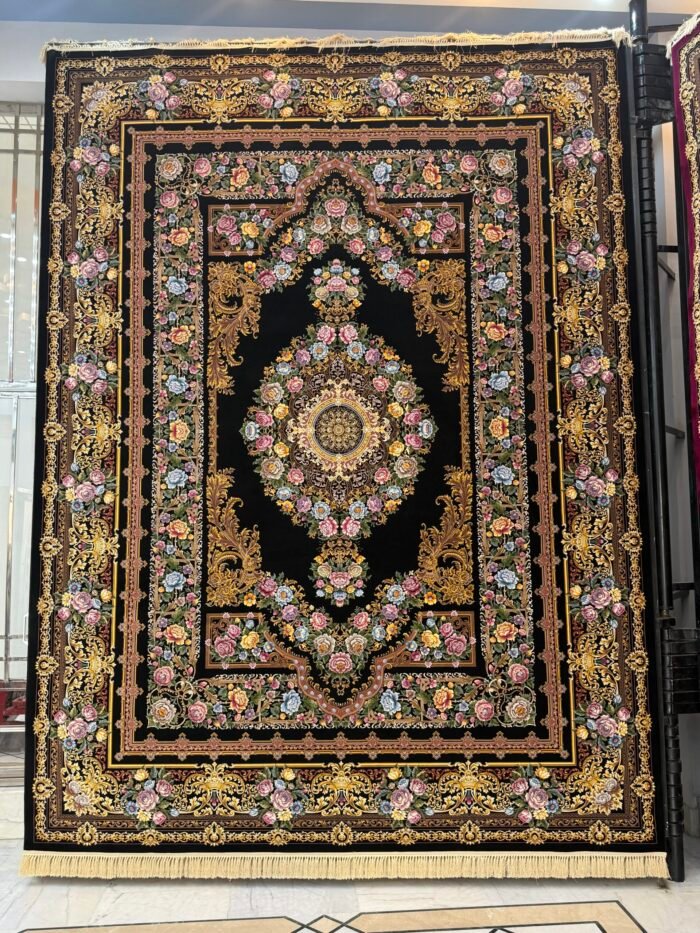
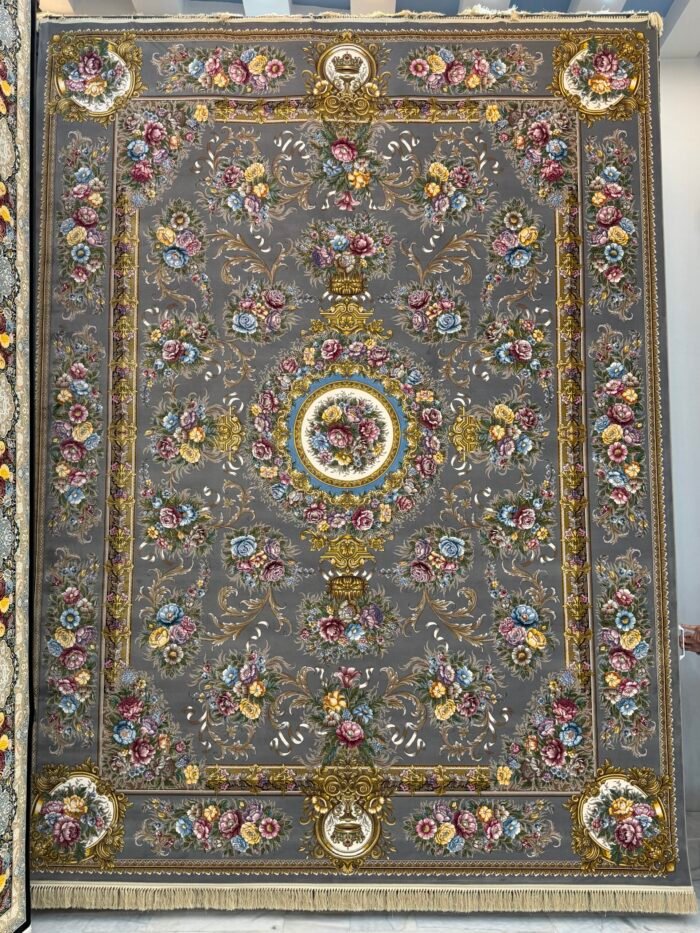
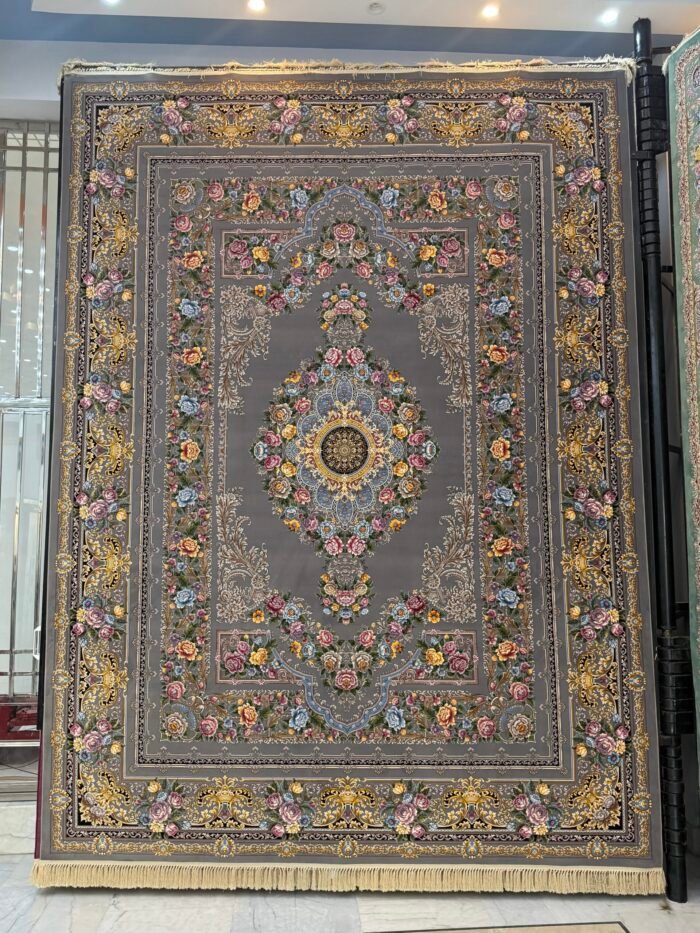
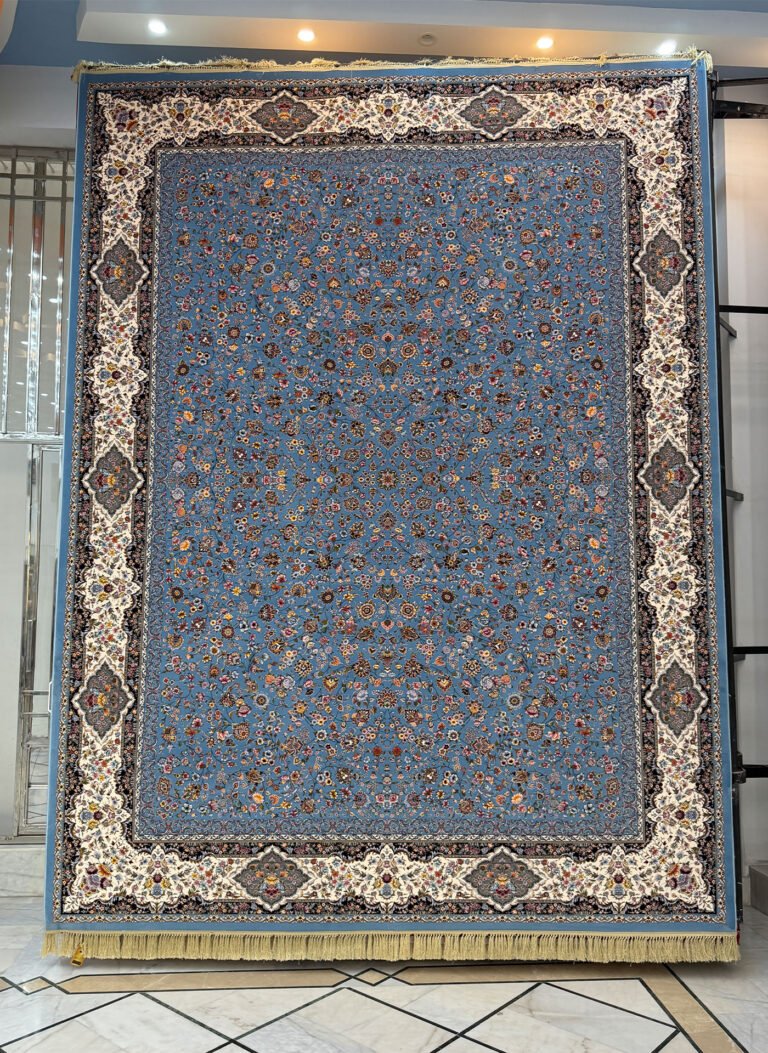
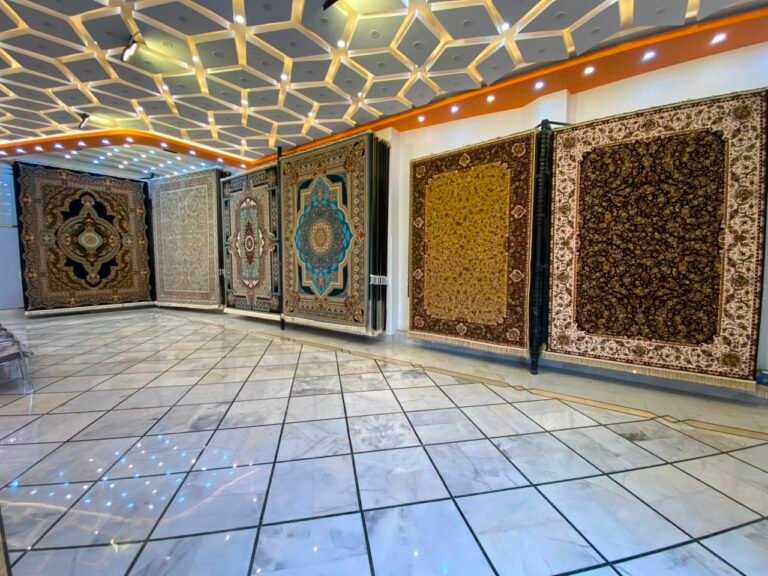
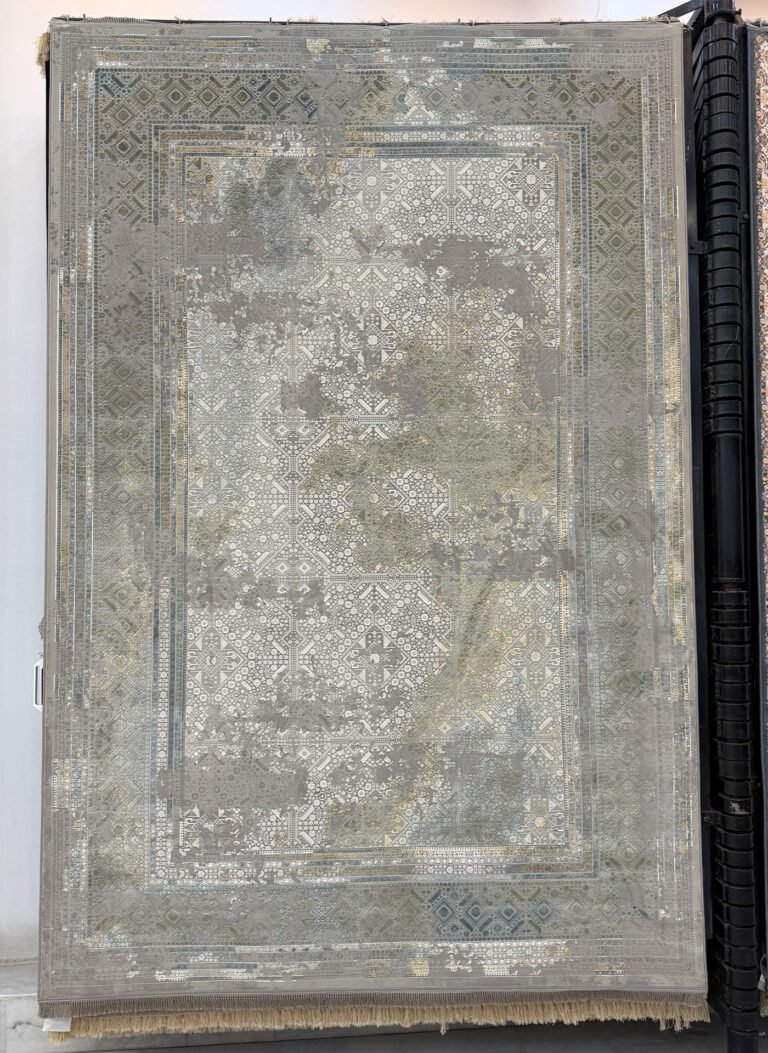
700 vs 1200 vs 1500 Reed Carpets: What Does Reed Count Mean?
Reed count, or shana, is the density of the weave. Here is what changes between 700, 1200 and 1500 reeds, and how to choose without overpaying for detail you will not see.
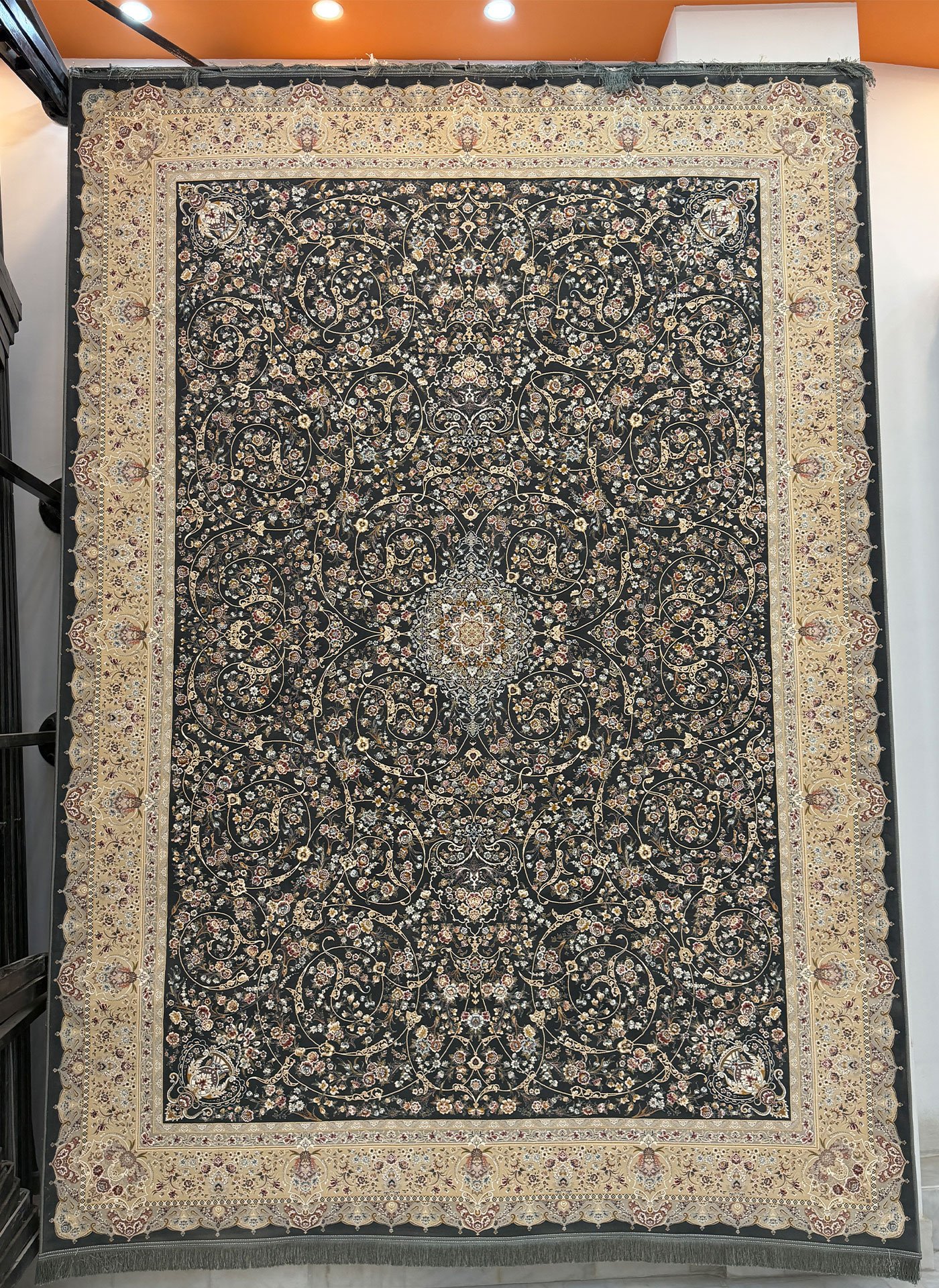
If you have shopped for a carpet in Pakistan, you have been asked a question that often goes unexplained: seven hundred, twelve hundred, or fifteen hundred? The number is the reed count – shana, شانہ – and it is one of the few specifications that genuinely changes what a carpet looks like.
This is what it means, and how to think about it when you are choosing.
What reed count actually counts
Reed count refers to the density of the weave across the width of the carpet. A higher number means more threads packed into the same width, which means the pattern is drawn with finer units.
The useful way to think about it is resolution. A photograph at a higher resolution is not a different photograph – it is the same image with more detail available. Reed count works the same way. A 700 and a 1500 carpet can carry the same design; the 1500 will render it with finer lines and smoother curves.
What changes as the number goes up
Detail
The biggest difference is in small motifs. Rosettes, the tips of vine scrolls, the shading inside a palmette and the fine lines in a border all have more room to be drawn at a higher reed count. At 700 those details are simplified. At 1500 they hold their shape.
Pattern definition
Curves are where you see it most clearly. A circle drawn with fewer units has slightly stepped edges; with more units it reads as a true curve. Medallion outlines, floral stems and the scalloped edges of border motifs all look smoother as the count rises.
Visual refinement at close range
From across a room, a good 700 carpet and a good 1500 carpet in the same design can look very similar. The difference appears when you stand over the carpet or sit on the floor beside it. That is worth knowing, because it tells you where the money goes: a higher reed count buys you detail at close range.
The three counts Kazmi carries
700 reeds / ۷۰۰ شانہ
The everyday weave. Patterns are drawn more boldly and with fewer fine details, which suits designs that rely on strong shapes and colour blocks rather than intricate shading. It is the most accessible entry into a traditional Persian design, and a sensible choice for rooms that see a lot of traffic or for a first carpet in a new home.
1200 reeds / ۱۲۰۰ شانہ
The middle weight, and the one most customers choose. There is enough density for detailed floral work and clean medallion outlines, without the price of the finest count. If you are unsure and want one recommendation, this is it.
1500 reeds / ۱۵۰۰ شانہ
The finest count we carry. This is where intricate designs hold together at close range – the silk-finish Hareer pieces in particular, where the light moving across a finely drawn field is much of the point. Worth choosing when the carpet will be looked at closely, in a formal room or a bedroom.
How to choose
Reed count is not a quality ranking where higher is always better for everyone. It is a trade-off, and the right answer depends on the carpet and the room.
- Match the count to the design. A bold geometric or open-field design does not need 1500 to look right. A dense, finely drawn floral does.
- Think about viewing distance. A carpet in a large drawing room is mostly seen from six feet away and standing up. A bedroom carpet is seen from close range every morning.
- Be honest about the room. A high-traffic family room with children may be better served by a mid-count carpet you are relaxed about than a fine one you worry over.
- Set the budget, then choose within it. A well-chosen design at 700 will do more for a room than a poorly chosen one at 1500.
Seeing the difference
Reed count is genuinely hard to judge from a photograph, because a screen has its own resolution. If you can, look at two counts of the same design side by side in person. It takes about five seconds to see, and once you have seen it you will not need this article again.
Our Craft page walks through how a carpet reaches the showroom floor, or you can browse the collection and filter by reed count.