Traditional vs Modern Carpet Designs: Which Style Is Right for Your Home?
Traditional, modern or transitional? What each style does to a room, how they behave with different furniture, and which one you are least likely to regret.
The choice between a traditional carpet and a modern one is usually framed as a question of taste. It is more useful to treat it as a question about the room: what is already in it, how much pattern it can carry, and what job you need the floor to do.
Answer those and the style question mostly answers itself.
What traditional actually means
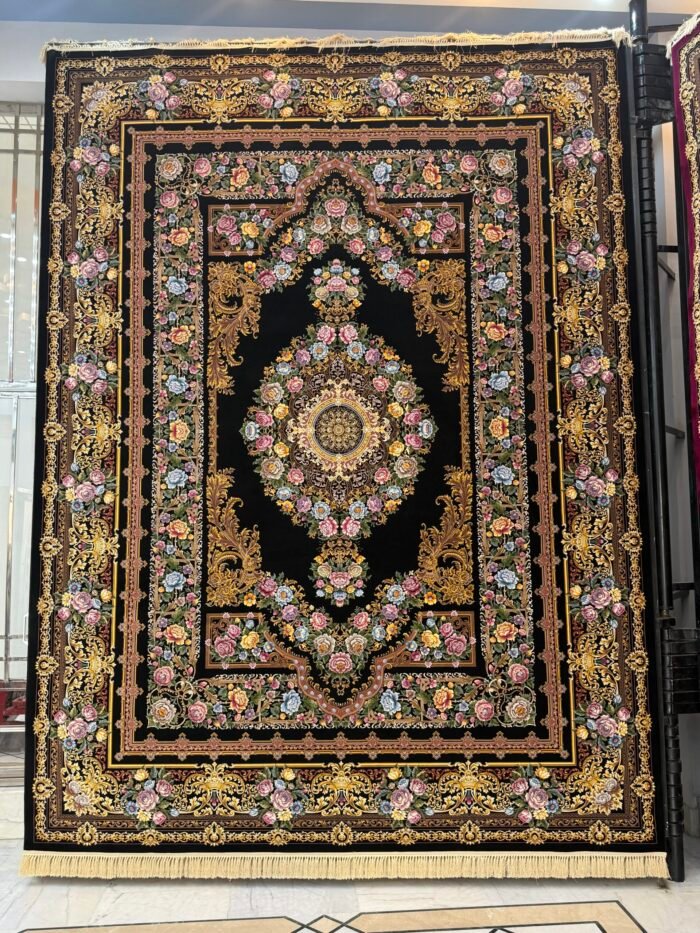
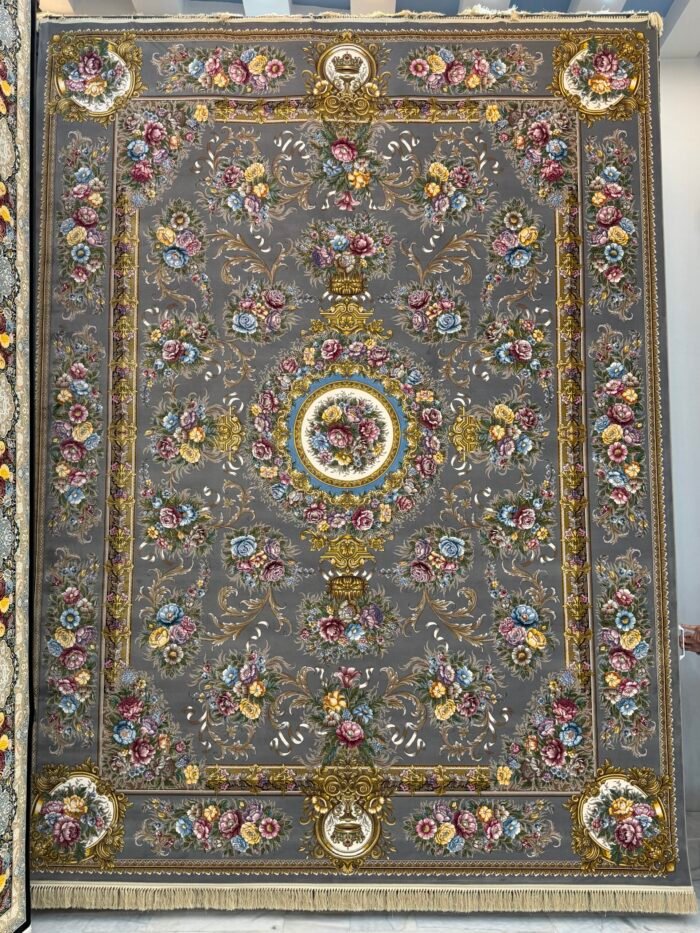
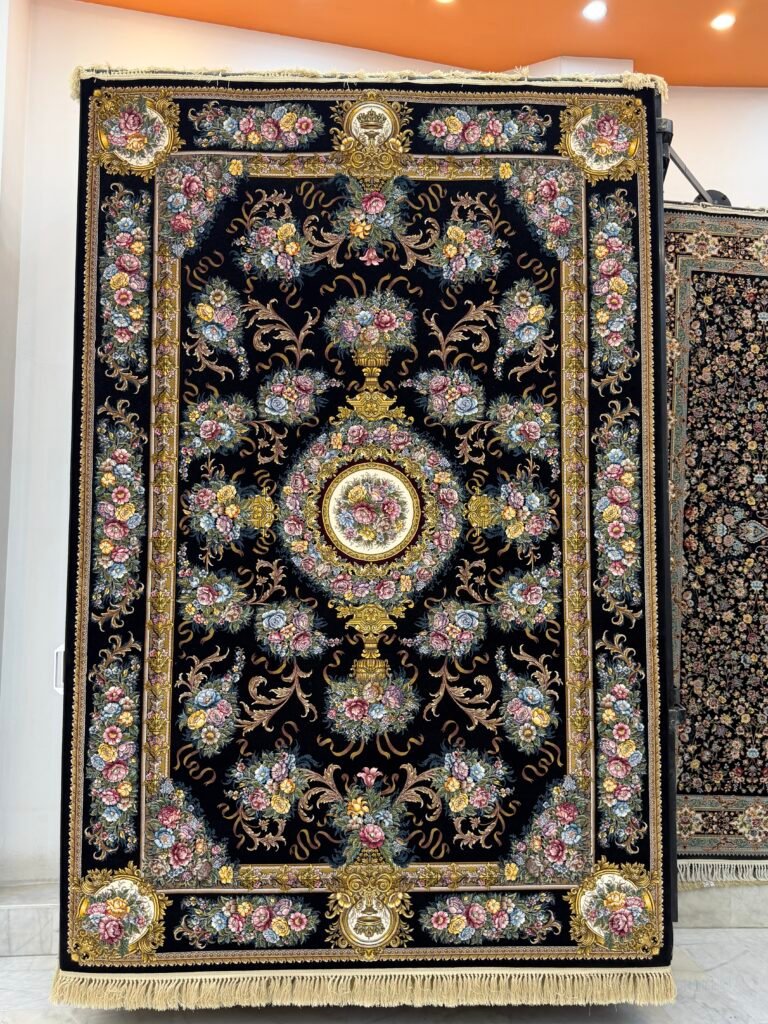
A traditional Persian-inspired design is built from a recognisable structure: a central medallion, a patterned field of flowers and vines, corner pieces and a wide decorated border. The palette usually runs to deep reds, indigos, creams and golds, or to the softened, faded versions of those.
What it does in a room:
- Gives the room a centre. A medallion tells the eye where the middle is, which is exactly what a seating arrangement needs.
- Hides everyday wear. A dense field disguises footmarks, crumbs and traffic far better than a plain one.
- Adds warmth and detail. In a plain room, it supplies all the ornament the space is missing.
- Reads as considered. A room with a traditional carpet rarely looks thrown together.
What modern means
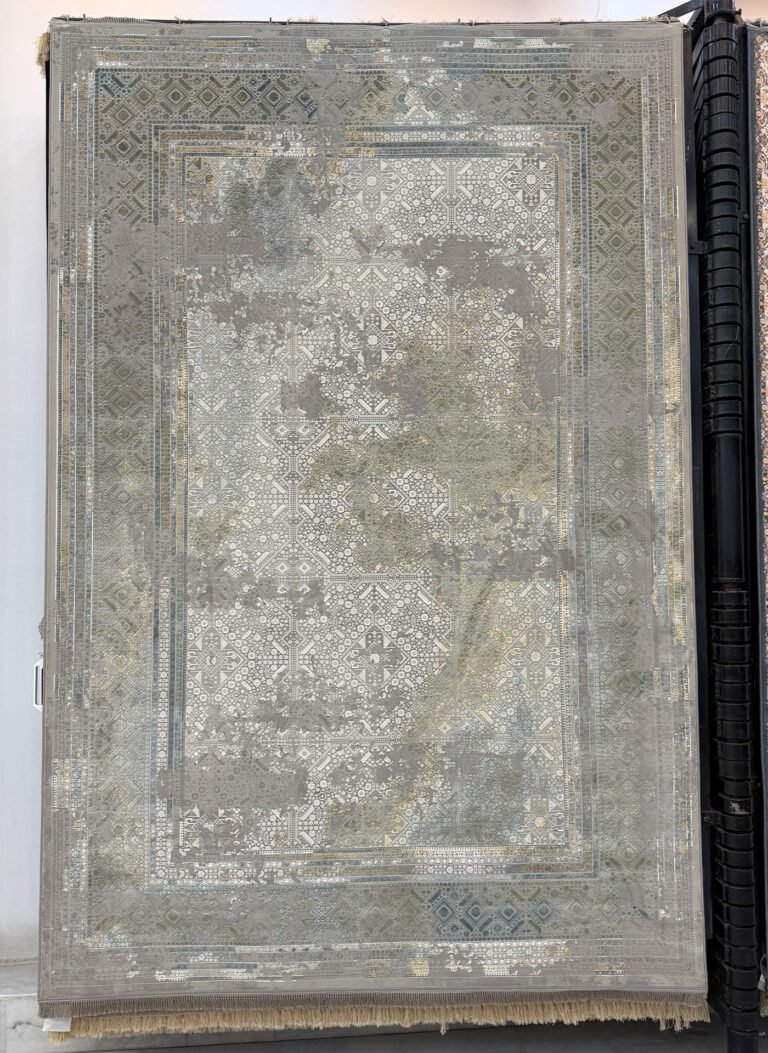
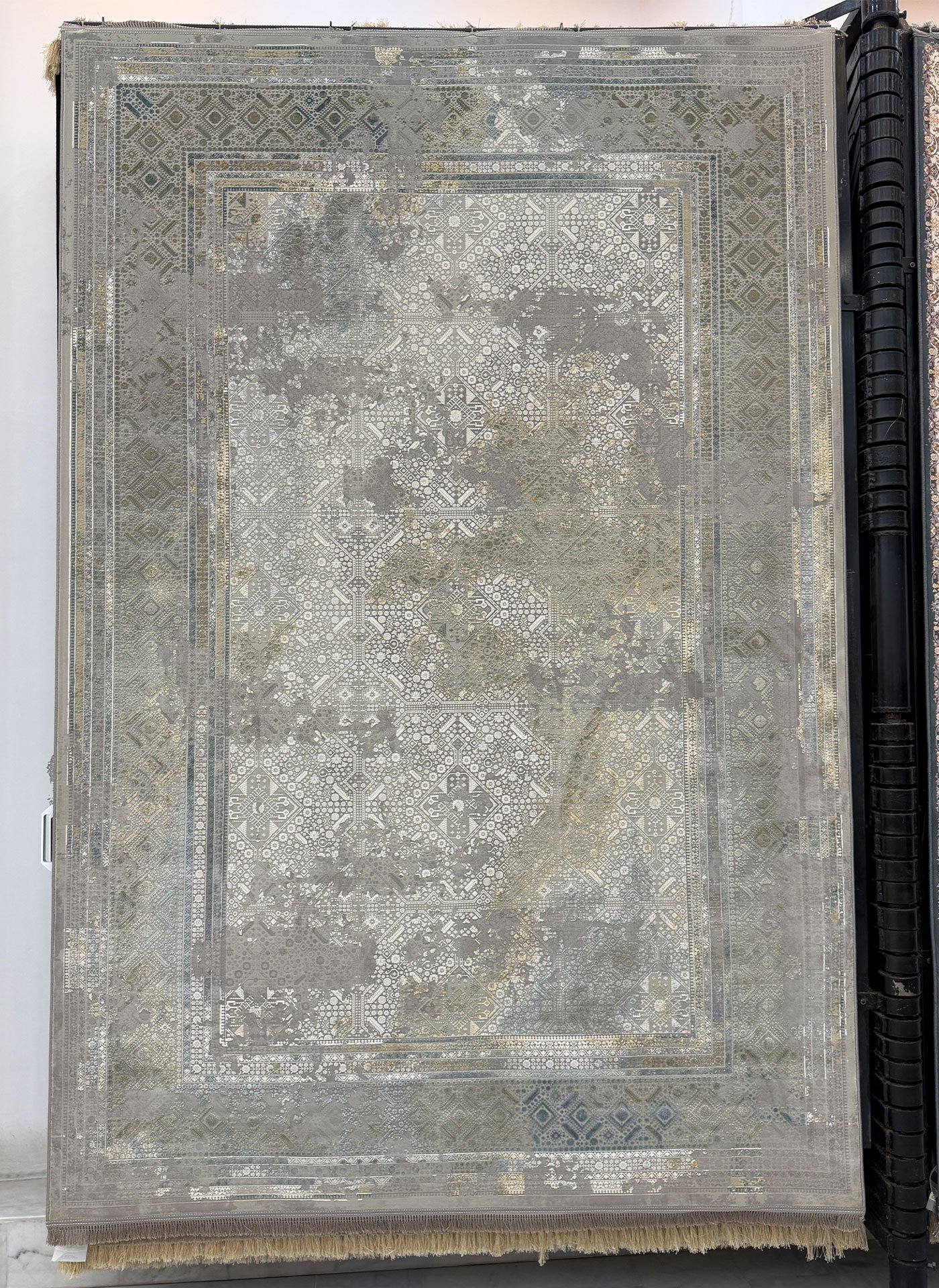
Modern carpet design tends towards open fields, restrained palettes, and pattern that is either geometric or absent. Where a traditional carpet fills the field, a modern one leaves space in it.
What it does in a room:
- Stays quiet. It lets furniture, artwork and architecture be the focus.
- Makes a room feel larger. Less pattern means fewer visual boundaries.
- Shows everything. Open fields and pale tones are unforgiving about marks and wear.
- Dates faster. Minimal design moves with fashion in a way that a medallion does not.
Traditional carpets in modern rooms
This is the combination that works best, and it surprises people.
A room of straight lines, plain upholstery and bare walls has no warmth of its own. A traditional carpet supplies all of it at once, and because the rest of the room is disciplined, the carpet reads as a deliberate choice rather than as clutter.
The one condition is that the room genuinely stays plain. A traditional carpet plus patterned curtains plus a patterned sofa is not a transitional room, it is a busy one.
If you want this look without the highest-contrast version of it, the Vintage collection is the natural starting point – traditional patterns in deliberately softened palettes that sit more quietly in a contemporary room.
The transitional middle
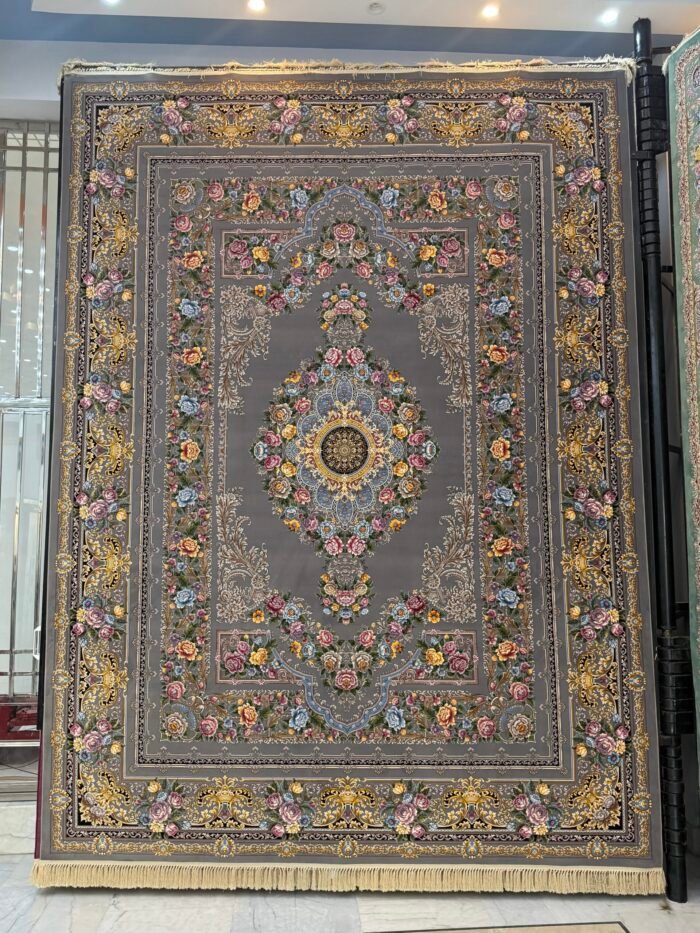
Most real homes are neither fully traditional nor fully modern, and there is a carpet type that suits exactly that: a traditional design in a restrained palette.
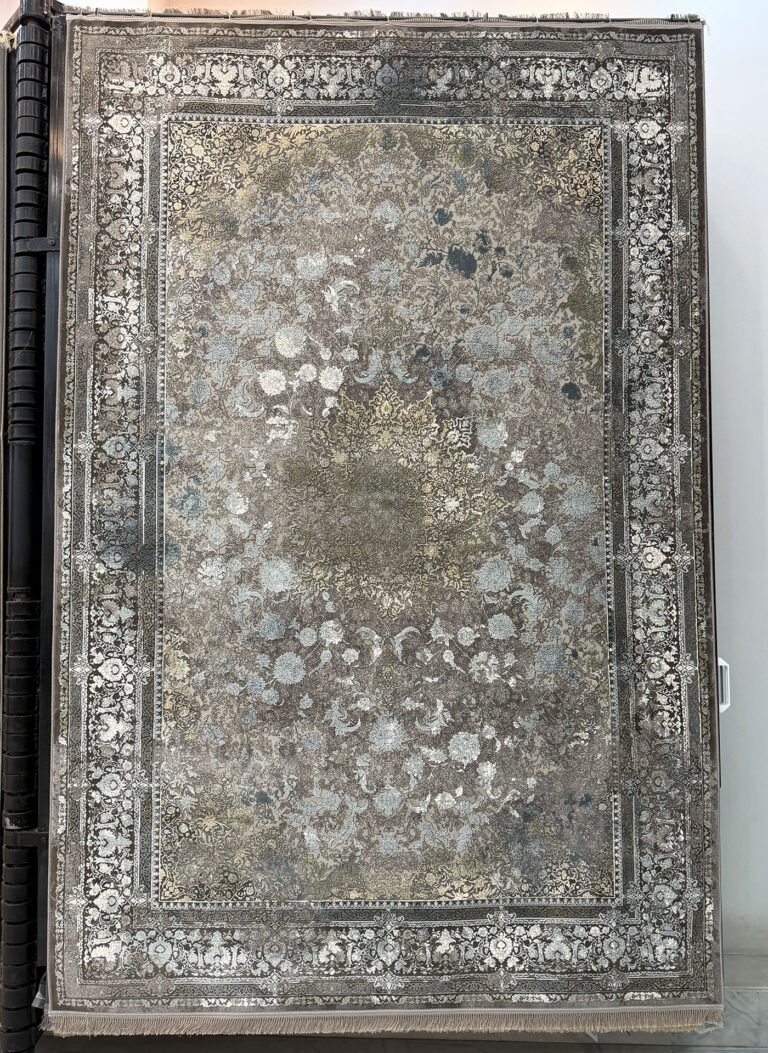
Look for an open or lightly patterned field, a design where the tones sit close together rather than in high contrast, or a classical pattern rendered in greys, silvers and creams rather than red and gold. You get the structure of a Persian design with the calm of a modern one.
The Hareer collection often lands here – traditional drawing, but in silk-finish silvers and greys that read as contemporary in a plain room.
Colour palettes, side by side
| Traditional | Modern | Transitional | |
|---|---|---|---|
| Field | Deep red, indigo, gold | Grey, beige, off-white | Silver, sage, soft cream |
| Pattern | Dense, medallion or all-over | Geometric or none | Classical but open |
| Contrast | High | Low | Low to medium |
| Hides wear | Very well | Poorly | Reasonably |
Matching to your furniture
Furniture usually decides this more honestly than taste does.
Heavy carved wood. A traditional carpet belongs here, but choose a cooler field – grey, silver, sage – so the room does not become one continuous brown. A warm red carpet under warm wood makes both disappear.
Plain modern upholstery. Either direction works. A traditional carpet gives the room character it does not otherwise have; a modern one keeps it calm.
Dark sofas. Whichever style you choose, the carpet needs a light field for contrast, or the lower half of the room reads as a single dark block.
There is more on this in matching a Persian-style carpet with your furniture.
Which should you choose?
A short set of questions that usually settles it:
- Is the room already busy? If the curtains, upholstery or walls carry pattern, go calmer with the carpet.
- Is the room plain and a little cold? A traditional design is the fastest fix.
- Does the room get heavy daily use? Traditional, or at least patterned. Open fields will not forgive a family room.
- Do you change your interiors often? A traditional carpet outlasts several rounds of furniture. A minimal one tends to be replaced with the rest of the room.
- Is the carpet meant to be noticed? If yes, traditional with a clear medallion. If it should disappear, modern or low-contrast.
The honest answer
If you are genuinely undecided, a traditional design in a restrained palette is the choice you are least likely to regret. It carries the room when everything else is plain, it survives a change of sofa, and it does not look like a particular year.
You can see all three directions in one place in the Kazmi collection, or read about the structure behind these patterns in what is a Persian carpet.